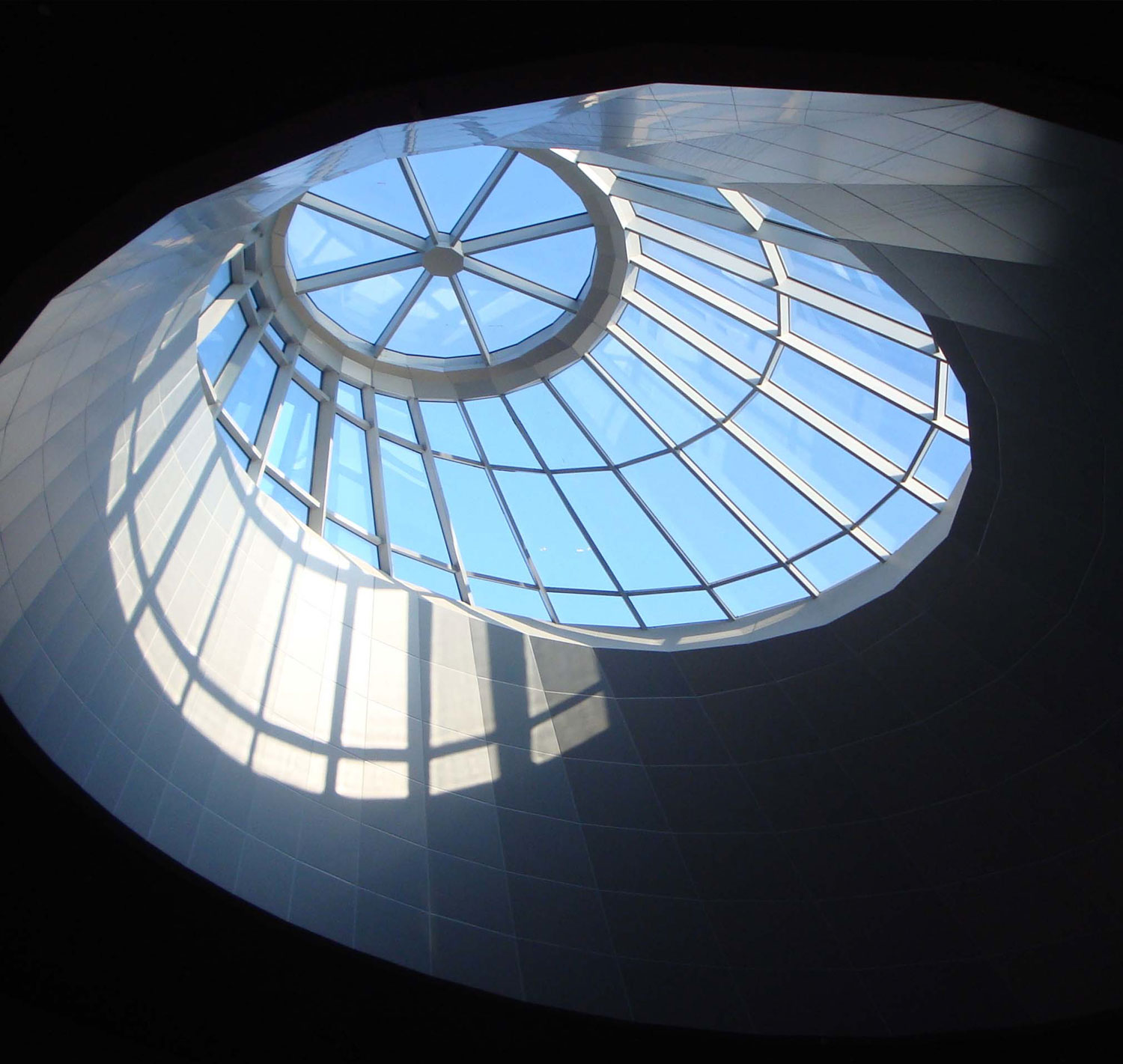
'Lonsdale Performed Superbly' Sir Terry Farrell
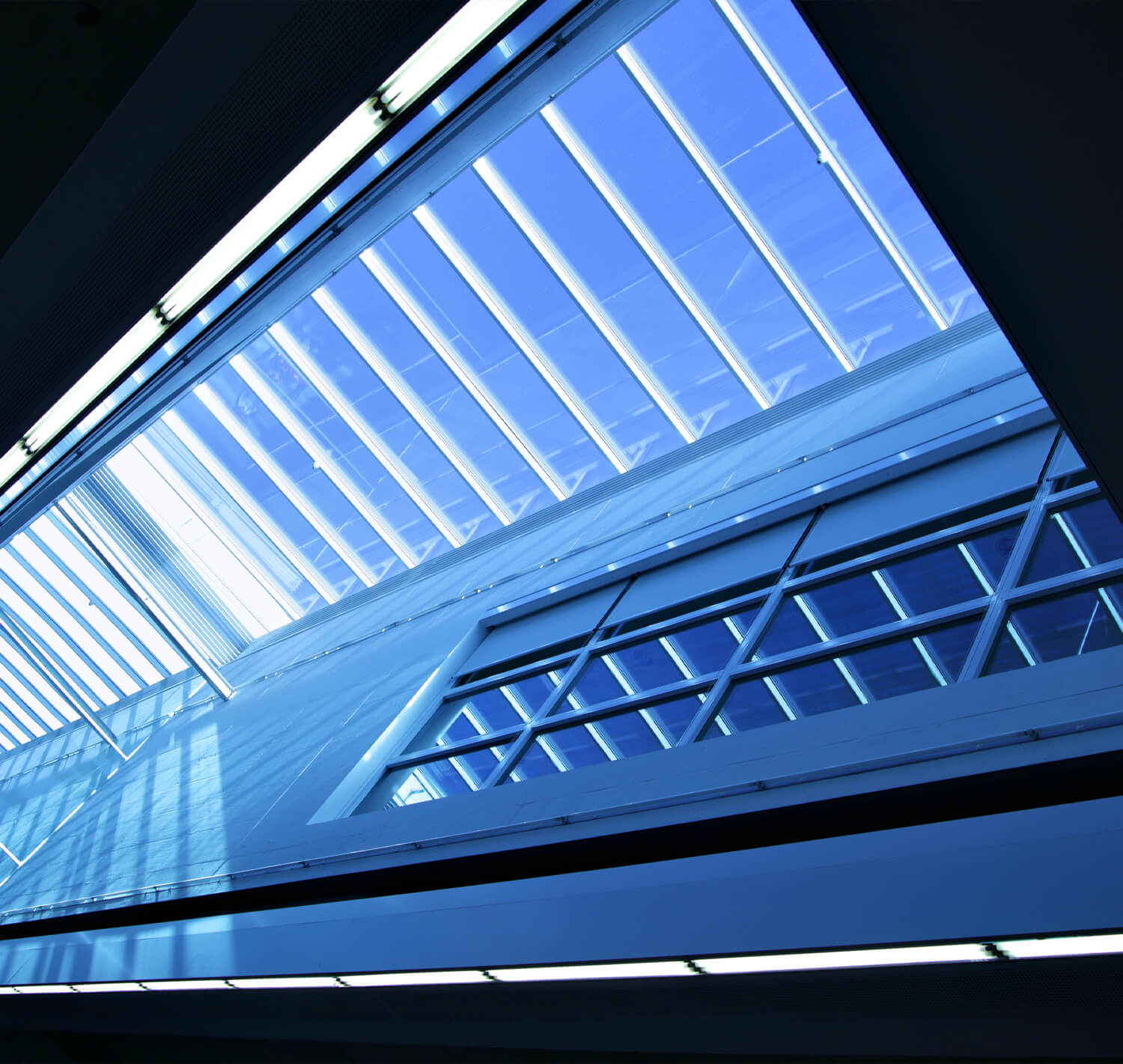
‘The team went to extraordinary lengths’ – Mr Keith Postan, Homeowner

‘The Lonsdale system has withstood lots & lots of rain’ – Mr Sat Jandu, The British Museum
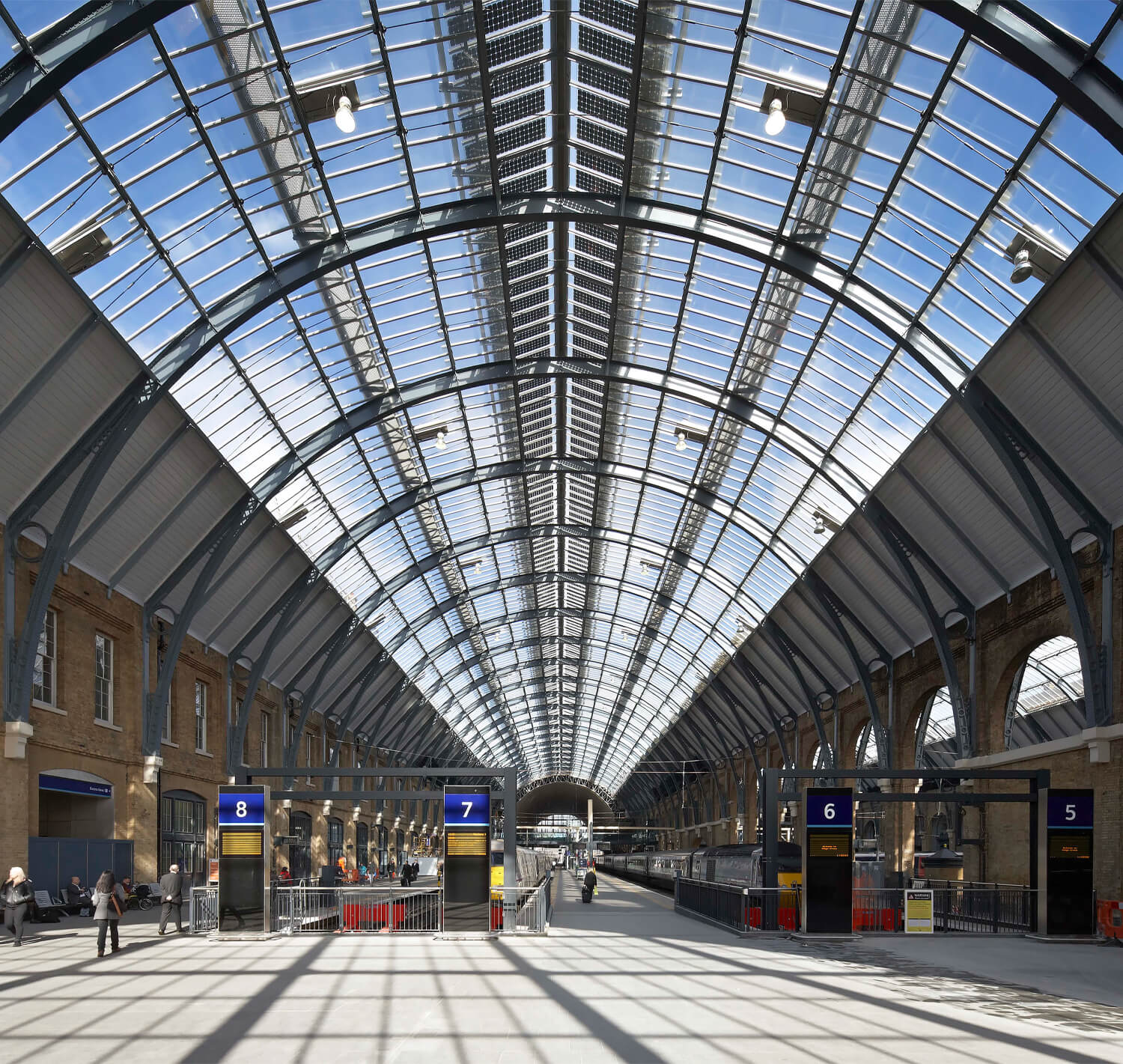
'We’re delighted with the result'- Kiers, Kings Cross Station
'Faultless service & quality' – Mrs Janet Horwood, Homeowner
Patent Glazing & Rooflights
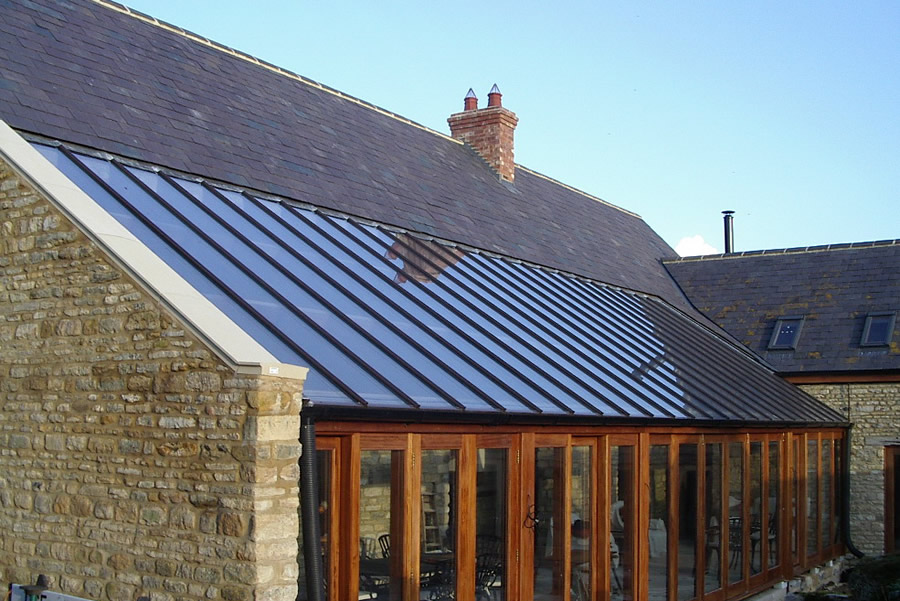
Lonsdale are specialist manufacturers of high quality rooflight and patent glazing systems suitable for domestic conservatories, orangeries, glass rooms and commercial canopies, walkways and large area overhead glazing. Our range includes fixed, opening and walk-on glass rooflights, roof lanterns, glazing bars and bespoke rooflights to any shape and size.
All our overhead glazing systems are available supply only or via our national network of registered rooflight installers. We offer prompt delivery countrywide and all our roof glazing systems are designed and manufactured to the highest standards for maximum safety, durability and strength.
Manufacturers of quality rooflights, skylights, roof lanterns, roof windows and patent glazing bars.
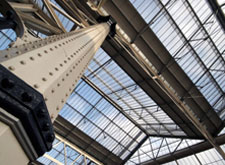
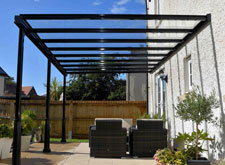
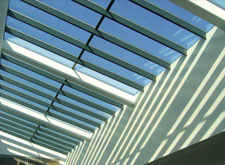
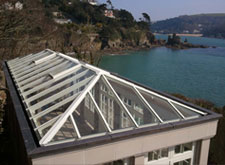
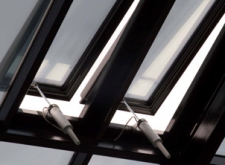
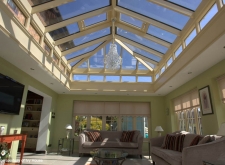
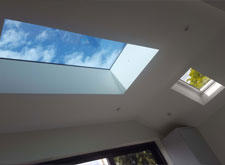
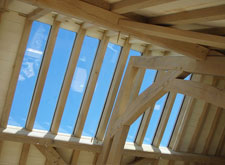
Looking For Some Inspiration?
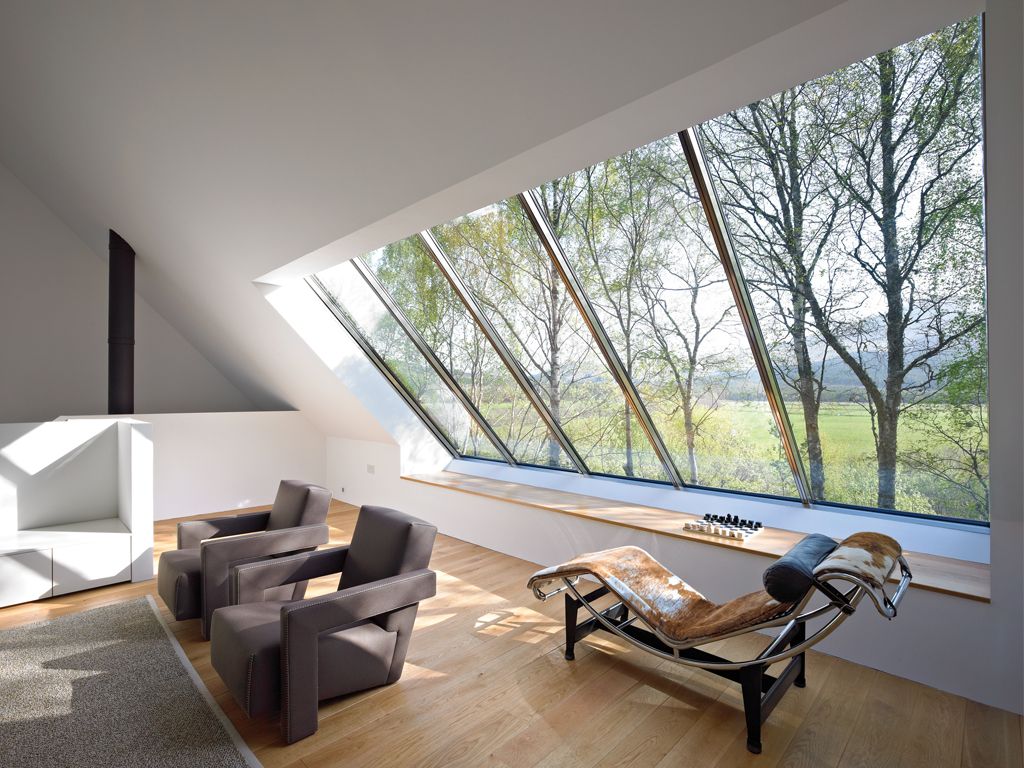
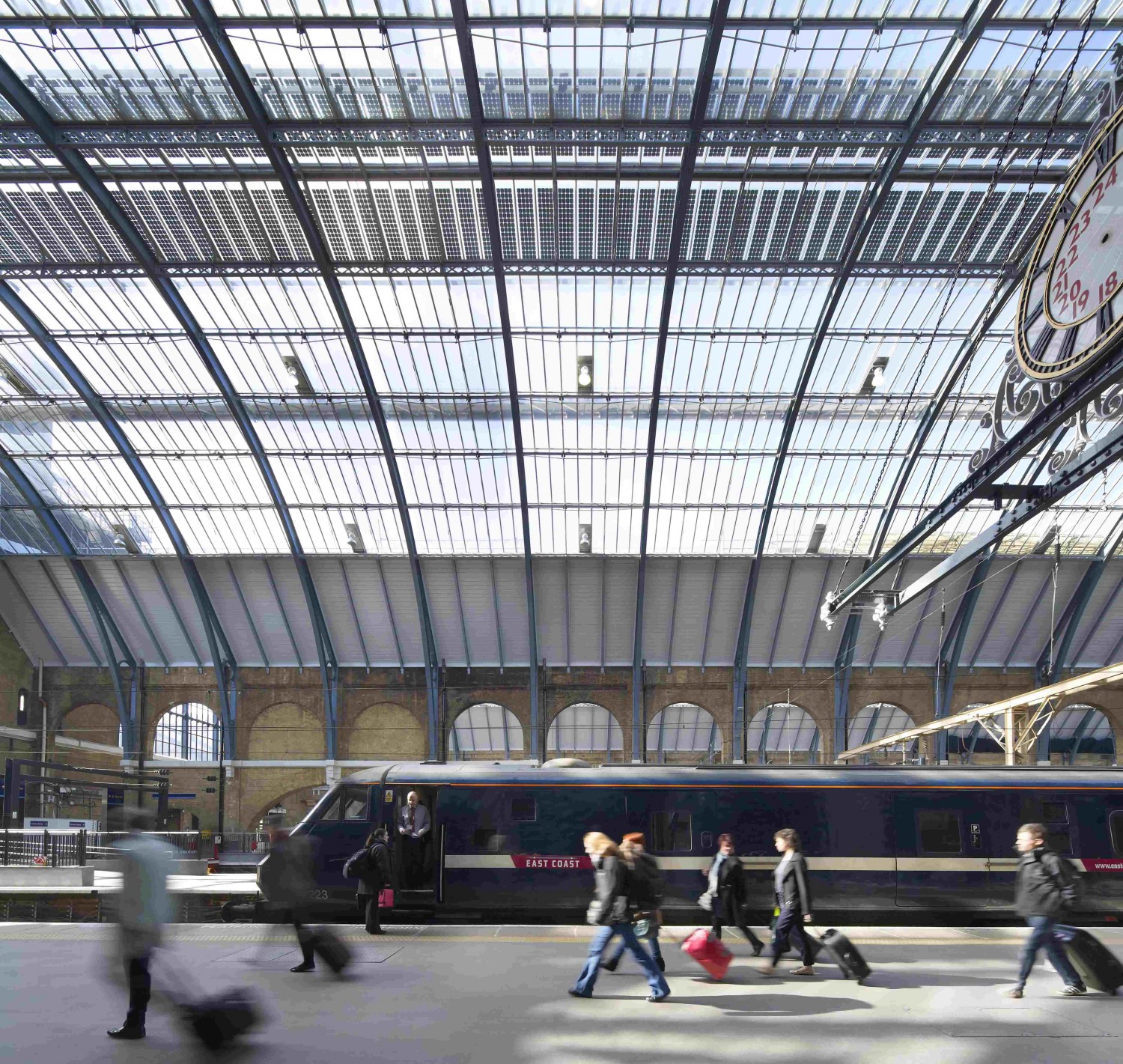
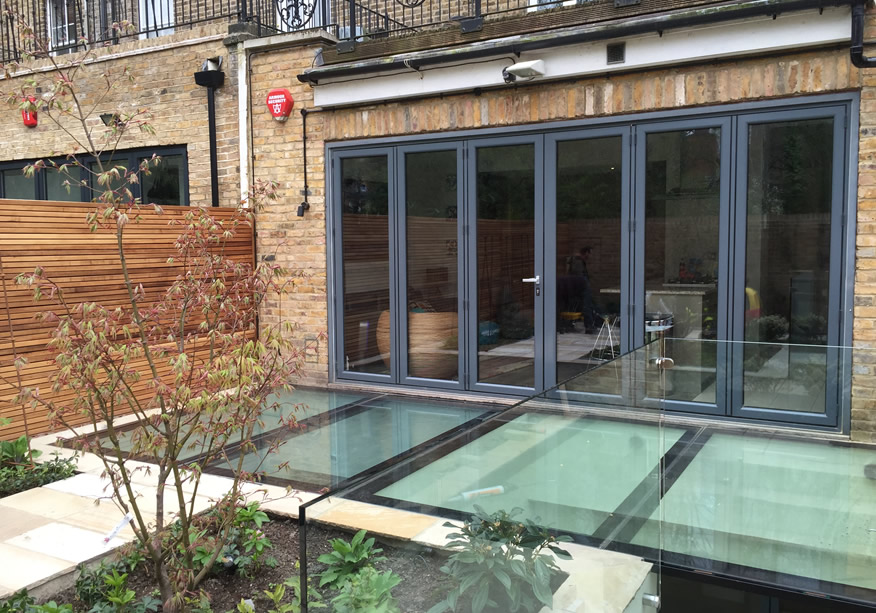
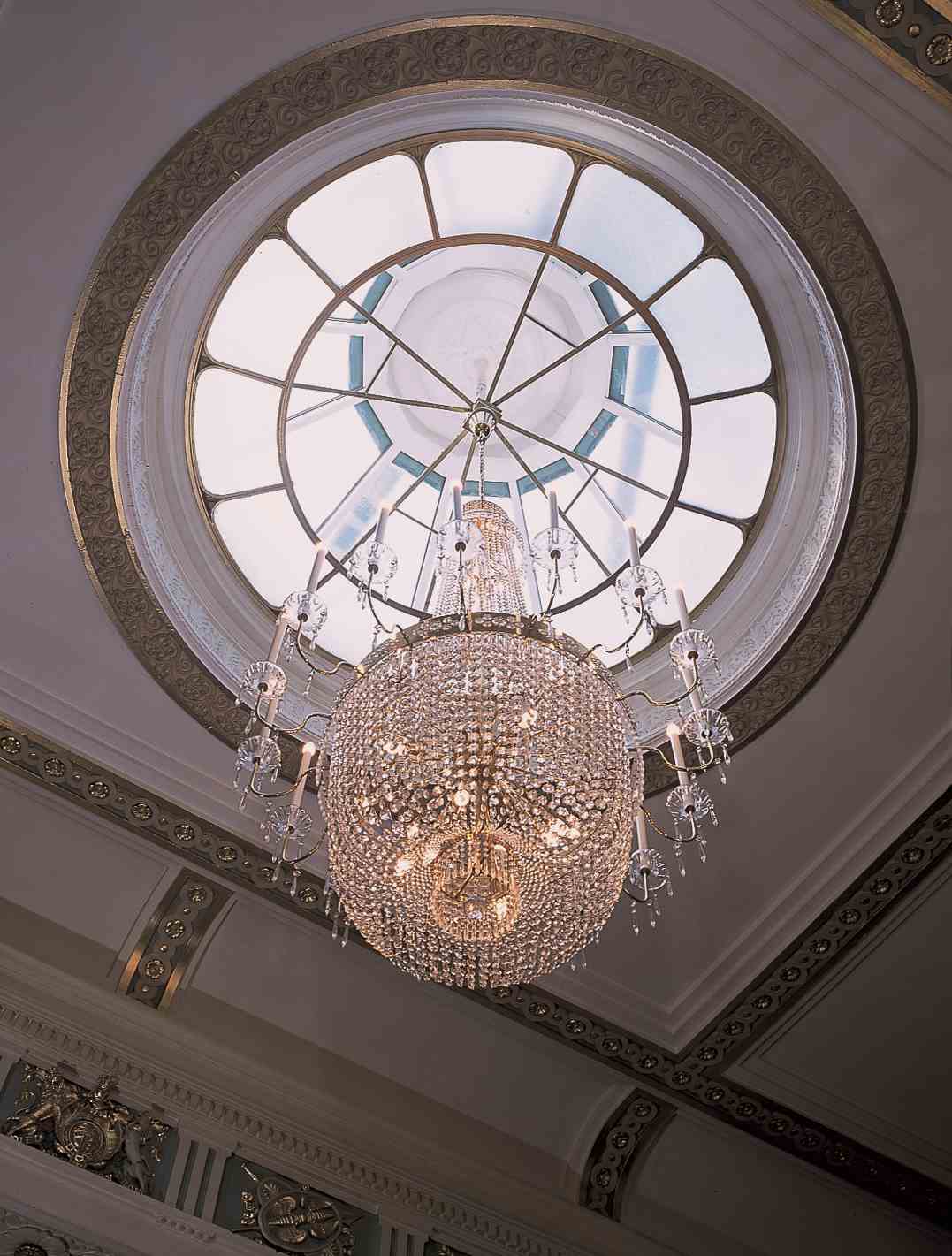
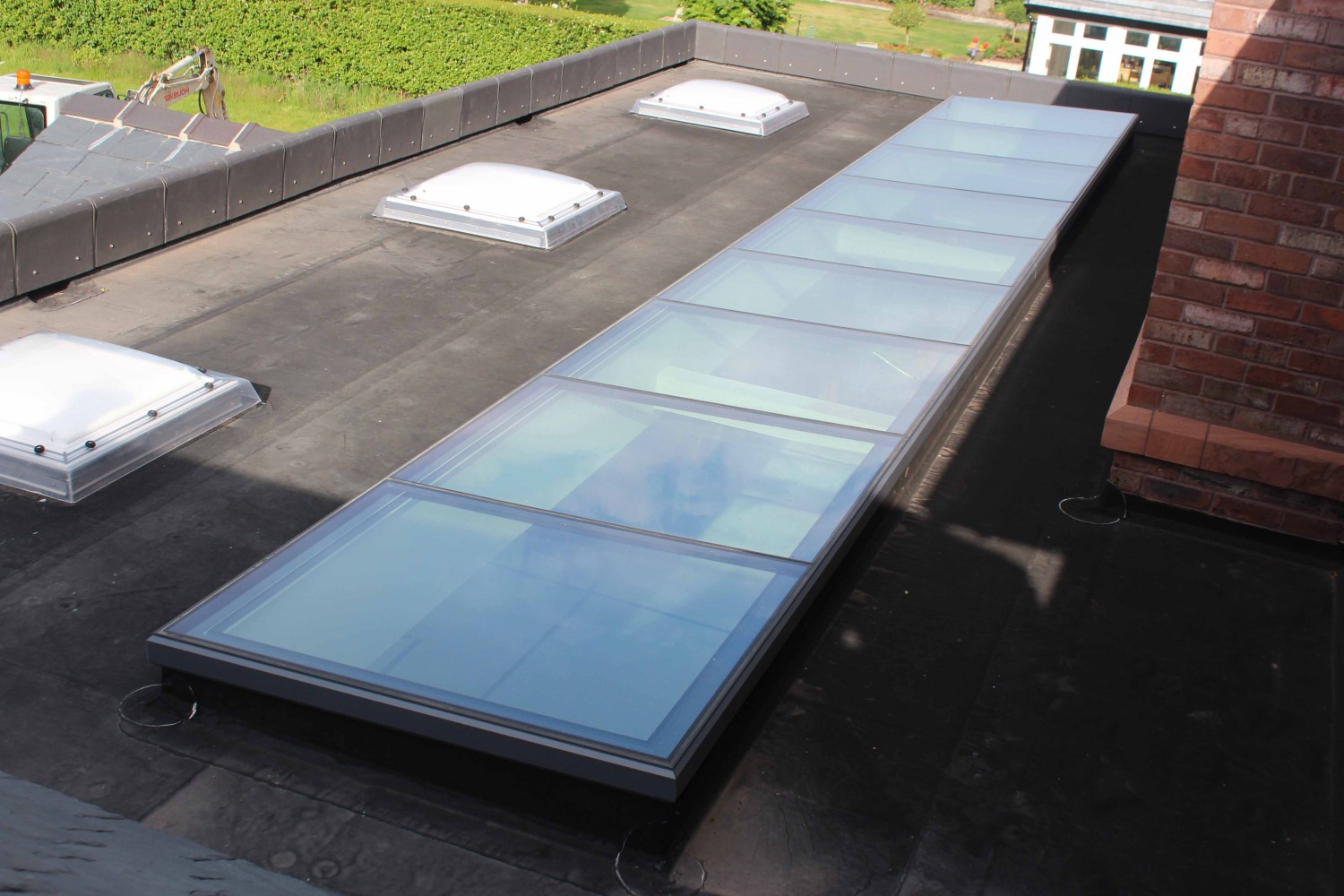
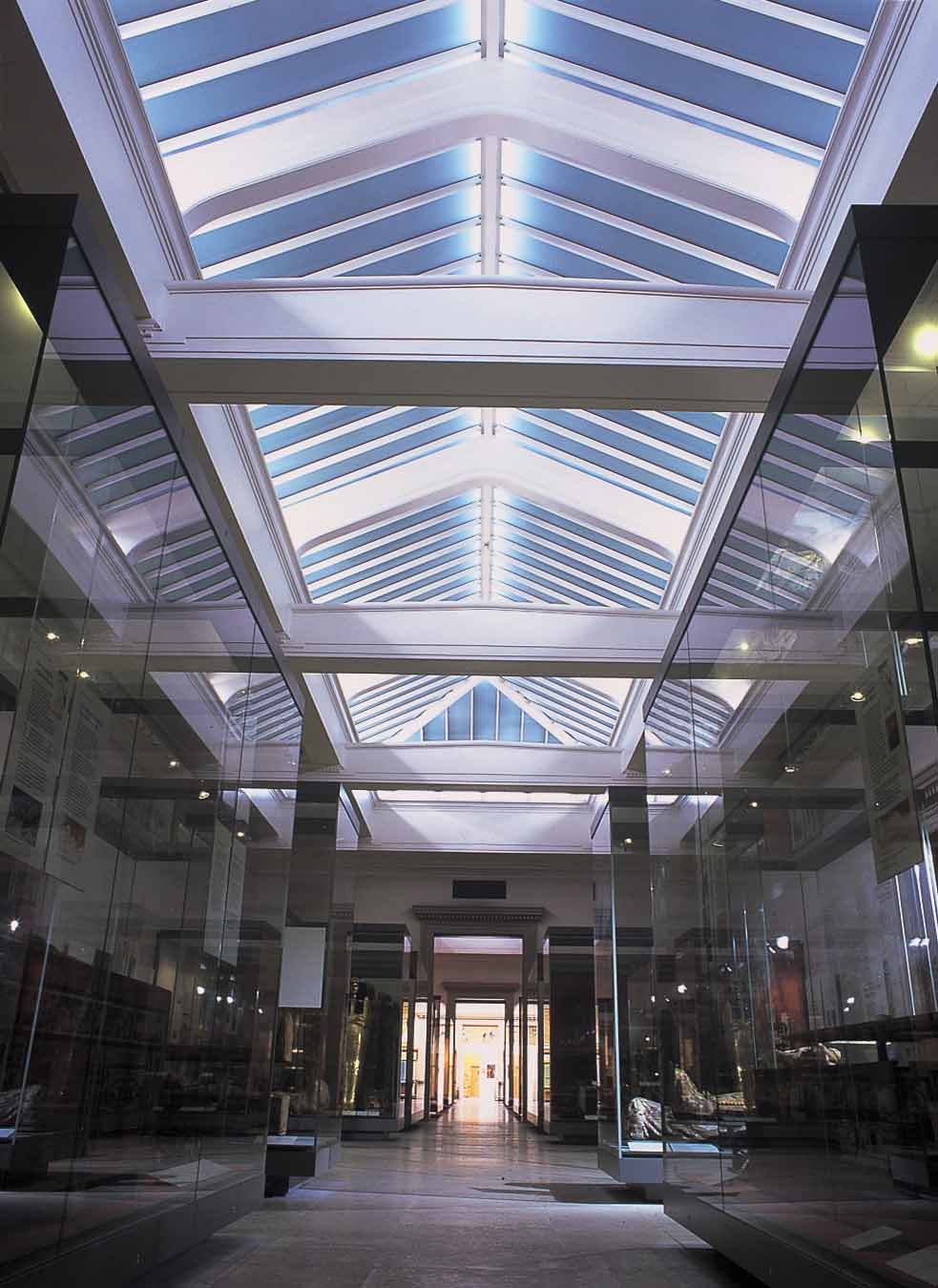
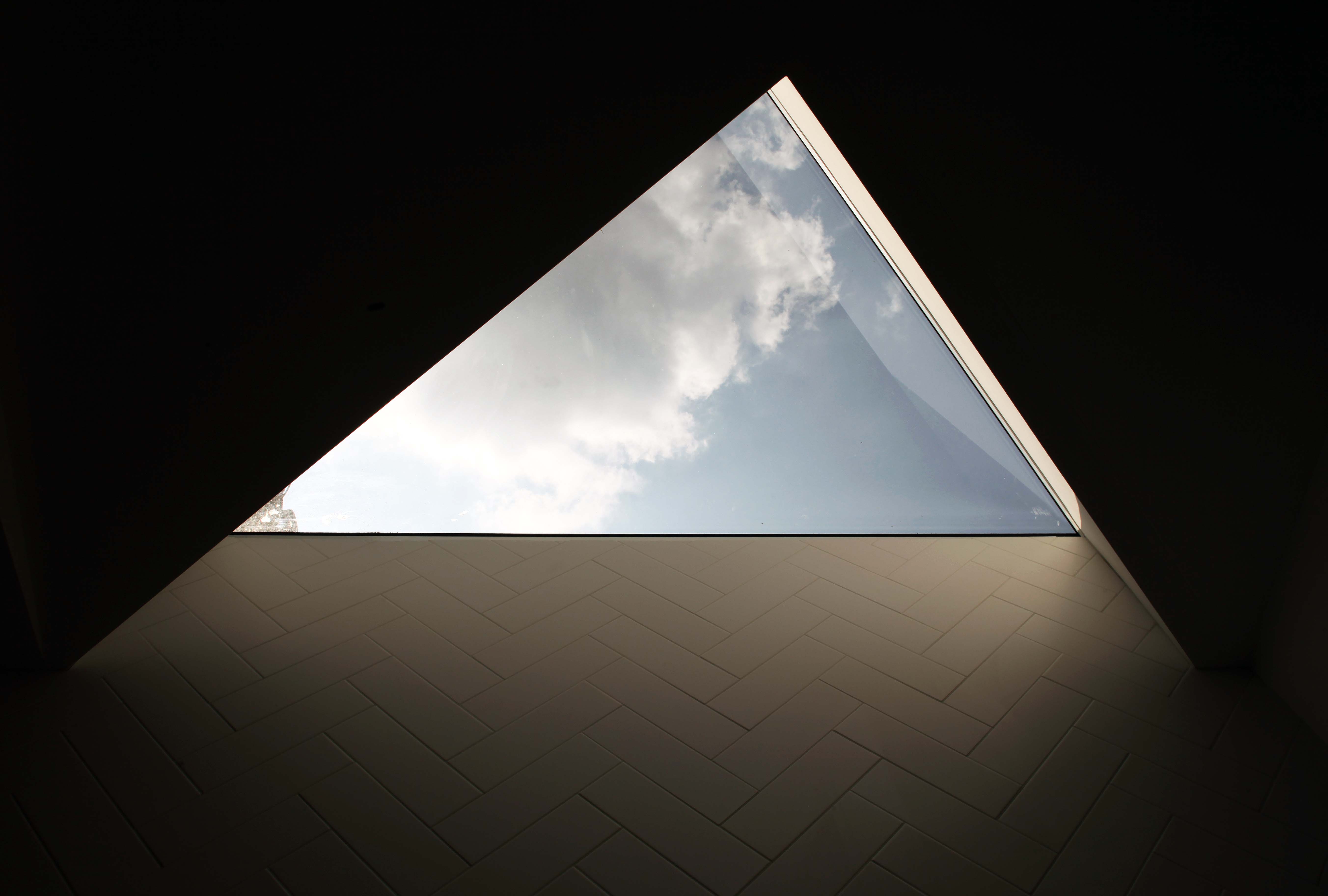
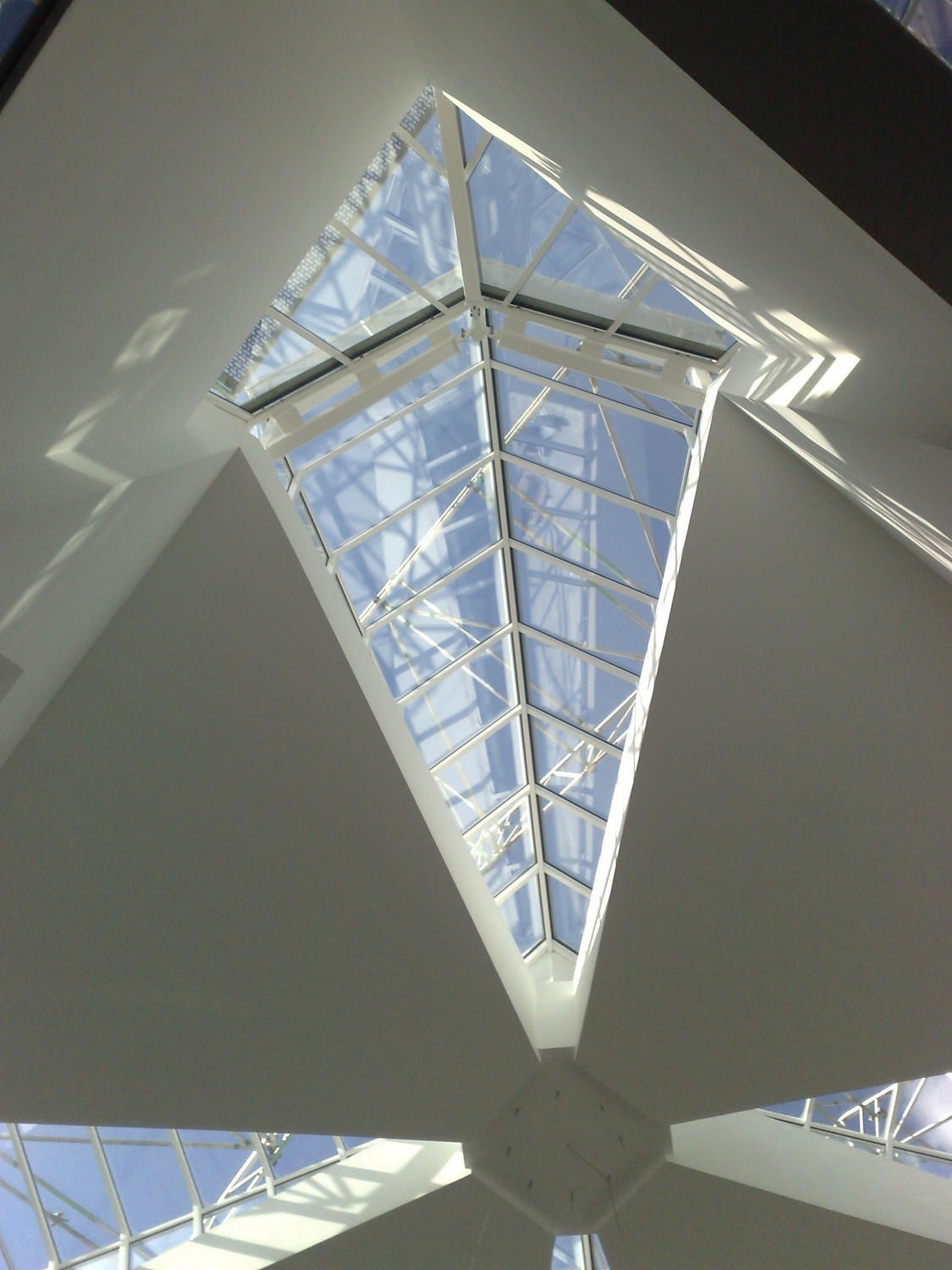
Browse our gallery below which is made up of both domestic and commercial rooflights. To see more browse our dedicated galleries of domestic rooflights and commercial rooflights.
Rooflight Solutions
Advice about rooflight regulations is all part of the service and we offer rooflight solutions for non-fragility, air-tightness, weather-tightness and environmental control of the building by solar control glazing and/or roof ventilators.
Lonsdale patent glazing and rooflight solutions have been installed at some of the most important and prestigious buildings throughout the UK including roof lanterns at Windsor Castle, The British Museum and 10 Downing Street; Large area patent glazing canopies at St Pancras, Waterloo and Lime Street stations; Glass roofs at The V&A Museum, Cliveden and Buckingham Palace and flat glass rooflights at homes for Sir Rod Stewart, Sir James Dyson and The Cartier Family.
Please call our helpful Technical Team on 020 8801 4221 for professional, friendly advice or visit our design considerations and regulations sections where we deal with common roof glazing issues.
FAQs
Do you deliver?
Yes! We deliver across the UK Mainland & Islands to ensure we can distribute our products as far as possible. Additionally, we do complete global export orders on request, all you need to do is ask!
How long does it normally take for you to respond to enquiries?
We don’t like to keep our customers waiting. Aside from periods when we are likely to be out-of-hours, it normally takes one working day for us to respond to our enquiries.
Are you affiliated with The Glass Door Centre and Rooflight Centre?
Yes! You may notice that our products available to “Buy Now” lead to Rooflight Centre and some of the links in our blogs take you to Glass Door Centre, and the explanation for this is that these companies are our sister companies!
Do you do bespoke products?
Yes. We understand that not one size fits all, which is why we offer different sizing options and variously shaped rooflights to grant you full liberty over what you get from your rooflight. Fill out a callback form and a team member will get back to you to help you get the rooflight you want.
How do I buy the products?
For products that have a “Buy Now” button, all you need to do is fill out the measurements of your rooflight, and we’ll send it right out to you! Products that require you to call us usually require much more information than the aforementioned ones, which is why we’d prefer to speak to you personally to ensure your rooflight is exactly what you expected it to be.
Click logos of previous clients for case studies